
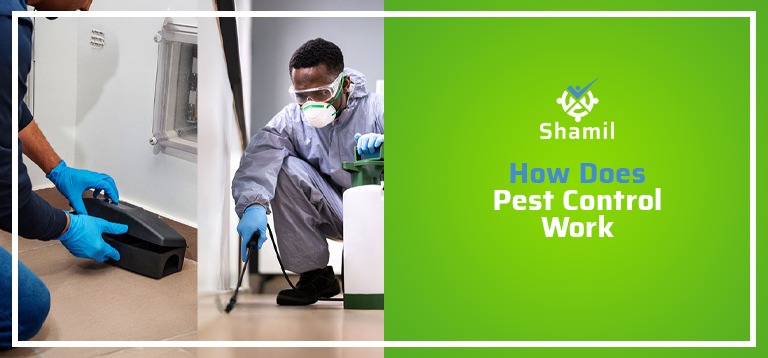
Pest control involves locating the infestation, treating the affected area and preventing the pests from returning. A qualified professional will come to your house, determine the correct pest control procedure, safely apply the treatment, then return to examine the results.
That’s the short version. This guide will take you through every stage in simple terms so that you know what to anticipate when a pest control team arrives at your home or office in the UAE.
What Is Pest Control?
Pest control is the removal or control of pests that can threaten your health, food or property. Pests are insects like cockroaches, ants, bedbugs and termites. They also include animals such as rats and mice.
Good pest management doesn’t just destroy the visible bugs. It also looks for their hiding places, their reason for coming, and how to prevent them from coming again.
Why Pests Are Common in the UAE
The UAE has warm weather for most of the year. Air conditioning also creates cool, damp spots inside buildings. Pests love these conditions because they find water, shade, and food easily.
A few things attract pests in homes and offices here:
- Food crumbs and open food containers
- Leaking pipes and wet drains
- Gaps around doors, windows, and pipes
- Garbage kept inside for too long
- Cardboard boxes and clutter
Once pests find a safe spot with food and water, they breed fast. That is why a small problem can grow into a big one in a few weeks.
How Does Pest Control Work? Step by Step
Most professional pest control services follow the same basic process. Here is how it usually goes.
Step 1: Inspection
The technician walks through your property and looks for signs of pests. These signs include droppings, chewed items, shed skins, nests, mud tubes, and damage to wood or fabric.
They check kitchens, bathrooms, storerooms, balconies, gardens, and the spaces behind appliances. They also ask you questions. Where did you see the pest? At what time? How long has this been going on? Your answers help them find the source faster.
Step 2: Pest Identification
Every pest behaves in a different way. A cockroach hides in dark cracks. A termite eats wood from the inside. A bed bug hides in mattresses and feeds at night.
So the technician must know exactly which pest you have. The wrong treatment wastes time and money, and the pests may stay.
Step 3: Choosing a Treatment Plan
After identification, the technician plans the treatment. The plan depends on:
- The type of pest
- How big the infestation is
- The size and type of the property
- Whether children, pets, or sensitive people live there
This is where many professionals use a method called integrated pest management, or IPM. IPM combines several tools instead of relying on one. It focuses on prevention first and uses chemicals only where they are needed.
Step 5: Sealing and Proofing
Killing pests is only half the work. If the entry points stay open, new pests will arrive.
Technicians may advise you to seal gaps around pipes, fix door sweeps, repair window screens, or cover drains. Some of this work you can do yourself. Some may need a maintenance team.
Step 6: Follow-Up Visits
Some pests need more than one visit. Bed bug eggs, for example, can hatch after the first treatment. A follow-up visit catches the new ones before they grow and lay more eggs.
During a follow-up, the technician checks if pests are still active, adds treatment if needed, and gives you extra advice.
How Long Does Pest Control Last?
It depends on the pest, the property, and how well the area is kept after treatment. Many homes and offices in the UAE use regular service visits, such as every few months, to keep pests under control. Villas with gardens may need more frequent visits than small apartments.
A regular service plan also catches new problems early, before they turn into a big infestation.
How Theshamil Can Help
Theshamil offers pest control services for homes, villas, flats and offices in Dubai. The crew will check your property, determine the cause of the problem and apply the correct treatment for each pest. The service also covers typical problems such as cockroaches, termites and bed bugs, with follow-up help, if necessary.
If you’re not sure what pest you have, you can describe the indicators to the experts and obtain assistance on what to do next.
Final Thoughts
There’s more to pest control than just spraying. It is a procedure of inspection, identification, treatment, sealing and follow-ups. Do each step well, and bugs will go and stay away longer.
If pests continue to visit your home or office, start with a professional inspection. A team of educated professionals is able to locate the underlying reason and treat it, giving you back the comfort of your space.