
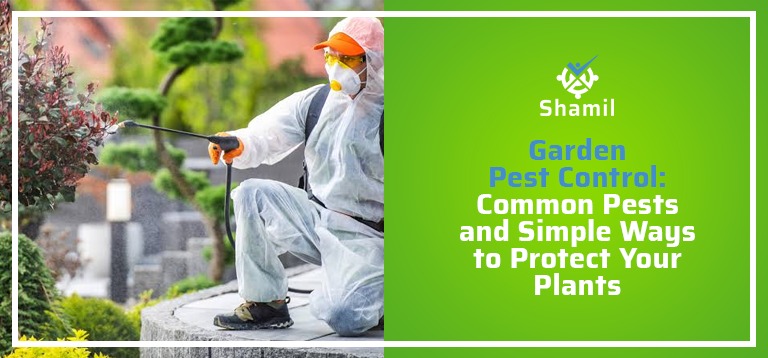
A garden in Dubai is not an easy thing. You water, you nourish the soil, you wait for the first blossoms. Then one morning the leaves are full of holes, the lawn speckled brown, and the young buds massed with tiny insects.
Dubai Garden Pest Control: Get rid of pests early, remove attractants, and treat the problem safely before it spreads. Most problems can be avoided with simple little things like watering in the morning, frequent trimming and weekly leaf checks. For more serious infestations, a professional pest control firm like Theshamil can locate the source and cure it without damaging your plants, pets or family.
This guide will tell you what pests you might see in UAE gardens, how to identify them and what you can do immediately.
Why Do Pests Love Gardens in Dubai?
Pests need three things you’ve got in your garden: food, water and refuge. In Dubai, there’s a fourth: the climate. Warm weather lasts most of the year, so many insects keep breeding instead of slowing down for winter.
There are a few elements that make villa gardens in Dubai exceptionally attractive:
- Daily irrigation. Wet soil and drip lines bring ants, mosquitoes, snails and slugs.
- Heat and humidity. Summer humidity helps fungus and insects like whiteflies and spider mites multiply fast.
- Fresh plants. Soft new leaves are easy for aphids and caterpillars to eat.
- Hiding spots. Piles of leaves, dense shrubs, stacked pots and wooden furniture give pests a safe place to live.
The good news is that you control most of these. A few changes to how you water and clean your garden can make it much less welcoming.
What Are the Most Common Garden Pests in Dubai?
Here is a quick look at the pests homeowners see most often, and the signs they leave behind.
| Pest | What it does | Common signs |
| Ants | Protect aphids and spread them between plants | Trails on stems, small mounds near roots |
| Aphids | Suck sap from soft leaves and buds | Curled leaves, sticky residue, tiny green or black insects |
| Whiteflies | Feed on the underside of leaves | White cloud when you shake a plant, yellow leaves |
| Mealybugs | Feed on stems and leaf joints | White cotton-like patches |
| Spider mites | Drain plant cells, mostly in hot, dry spells | Tiny dots on leaves, fine webbing |
| Snails and slugs | Eat leaves and seedlings at night | Ragged holes, shiny slime trails |
| Caterpillars and armyworms | Chew leaves and damage lawns | Missing leaf edges, dark droppings, bare lawn patches |
| Red palm weevil | Tunnels inside palm trunks | Wilting crown, brown liquid on the trunk, chewed fibers |
| Rodents | Dig, gnaw and eat fruit and seeds | Burrows, gnawed fruit, droppings near walls |
| Mosquitoes | Breed in standing water | Swarms at dusk, larvae in pots and trays |
| Termites | Eat wood and roots below the soil | Mud tubes, damaged fences, pergolas or tree stumps |
Let’s look closer at the ones that cause the most trouble.
Ants, Aphids and the Sticky Leaf Problem
Ants are not always the real problem. They often farm aphids, moving them onto fresh growth and feeding on the sweet liquid the aphids leave behind. If you see ants climbing a rose bush or hibiscus, check the stems and under the leaves. You will usually find aphids there too.
Whiteflies and Spider Mites
Both are small enough to go unnoticed until the damage is apparent. Whiteflies are under the leaves and fly up in a cloud when you touch the plant. Spider mites favor hot, dry conditions and will leave little yellow dots on foliage. Change a leaf each week. It only takes ten seconds, and it saves a lot of hassle.
Snails, Slugs and Caterpillars
If your leaves had holes by morning, something ate them overnight. Snails and slugs leave trails of slime. They do nibble the edges of leaves, and the droppings are dark. Caterpillars. After dark, take a flashlight outside, and you’ll typically catch them red-handed.
Rodents in the Garden
Rats and mice will go after dropped fruit, pet food, bird seed and open containers. They will dig around walls and fences, and they can get into your home that way. The first best step is to keep the garden clean.
Termites Outside the House
Termites aren’t just an inside problem. They live in soil and eat dead roots, tree stumps, timber fences, pergolas and garden equipment. If you notice mud tubes on wood or soft, hollow-sounding lumber, call in a pro right away. The garden can be the way they get to your property.
How Do You Know If Your Garden Has Pests?
Most pest problems show small signs first. Walk through your garden once a week and look for these:
- Leaves with holes, spots, curled edges or yellow patches
- Sticky or shiny residue on leaves and stems
- White powder, cotton-like fluff or fine webs
- Brown or dead patches in the lawn that pull up like carpet
- Slime trails on pots and paving
- Small mounds or trails of ants
- Droppings, burrows or chewed fruit
- Plants that wilt even though the soil is wet
One damaged leaf is not a crisis. A pattern is. If the same sign shows up on several plants, act early.
When Should You Call a Professional?
Do it yourself when the problem is small, and call a professional when:
- You see termite tubes, damaged wood or soft timber
- A palm tree shows signs of tunneling or sticky leaks
- Rodents are digging or entering your home
- Pests come back after you have treated them
- You have a large garden and cannot tell which pest you are dealing with
- You have children or pets and want safe product choices
Picking the wrong spray can waste money and harm helpful insects like bees and ladybirds. A trained technician identifies the pest first, then chooses the right treatment.
What Does Professional Garden Pest Control Look Like?
A good service does more than spray and leave. Here is what you can expect from theshamil and other reliable providers in Dubai:
- Inspection. The technician walks your garden, checks plants, soil, lawn, palms, walls and wooden structures.
- Identification. They find out which pest is present and why it came.
- Targeted treatment. They use methods suited to that pest and your plants, not a one-size-fits-all spray.
- Advice. They tell you what to change, such as watering times or leaks, so the problem does not return.
- Follow-up. A return visit checks that the treatment worked.
Whichever company you choose, make sure it is licensed and approved by Dubai Municipality, and ask what products it uses around children and pets.
How Can You Keep Kids and Pets Safe?
Gardens are play areas, so safety matters as much as results. A few simple rules help:
- Ask the technician which products are being used and how long to stay off treated areas
- Keep children and pets indoors during treatment, and until surfaces are dry
- Store pest products in a locked cabinet, away from food and pet bowls
- Never mix products on your own
- Wash fruit and vegetables from the garden before eating
How Often Should You Treat Your Garden?
Every home has its own timetable. A modest villa garden with a few bushes requires less upkeep than a large garden with palms, lawn and a pergola. Most homeowners feel that it’s good to do a routine inspection every couple of months, with some additional checks when they see indicators of new problems. Once a professional has looked at your garden, he can provide a plan.
Conclusion
A healthy garden is not a pest-free garden. It’s a garden where you catch problems early and fix them before they get big. Keep the soil clean, water at the correct time, and examine your plants once a week. When you come into anything you can’t recognize or manage, bring in a staff that knows the UAE climate.
If pests are destroying your garden, theshamil may visit your outdoor space, pinpoint the problem and recommend a safe plan. Contact theshamil immediately to organize a visit for garden pest control in Dubai.